Open Notes on Charge Trap Flash
We are a volunteer community of memory researchers and engineers in the US. We share open notes on charge trap flash, nitride trapping layers, retention, and NAND cell architecture through a blog, seminars, and tutorials.
What we do
Open knowledge on charge trap flash and TANOS NAND
Fp7 Gossamer is a volunteer community of semiconductor memory researchers and engineers in the US. We share open notes on charge trap flash, nitride trapping layers, retention, and NAND cell architecture through a blog, seminars, and tutorials.
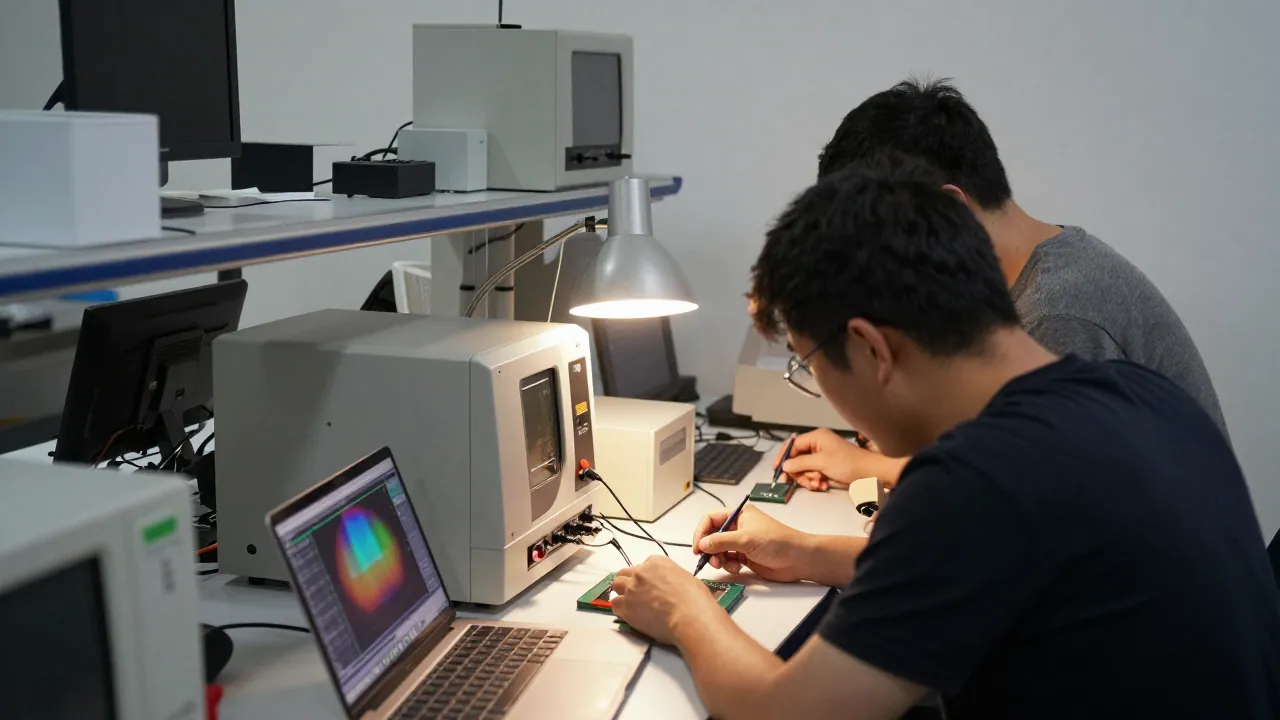
Hands-On Measurement Notes
We run retention tests and nitride trap characterization, then write up the instruments, steps, and snags we hit. For engineers setting up their own benches.
Seminars and Work Sessions
Regular gatherings where volunteers compare notes, argue about results, and settle small decisions. Open to students, engineers, and anyone curious about charge trap flash.
Plain-Language Explainers
Short background pieces on tunneling oxides, trap layers, and NAND cell architecture. Written for newcomers and useful as a refresher before a session.
Shared Test Results
We publish retention comparisons, trap density findings, and honest accounts of experiments that misbehaved. For the community to check, question, and build on.
How we work
How we work and what we share
We keep things concrete: instruments on the bench, steps we actually ran, and the snags we hit along the way. Everything is written up so others can repeat it.
Learn moreBench-first write-ups
We describe the instruments, settings, and steps behind each retention test, including the parts that went wrong, so another lab can repeat the work.
Open work sessions
Volunteers gather to compare results and argue about discrepancies. Students and curious newcomers are welcome to sit in and ask plain questions.
Plain-language explainers
Short background pieces cover tunneling oxides, trap layers, and NAND cell architecture, written for newcomers and handy as a refresher before a session.
Honest shared results
We publish retention comparisons and trap density findings, including experiments that misbehaved, for the community to check and question.
A small body of work, kept in the open
Our blog holds a modest set of articles across a few topics, written by a handful of volunteers. Each one is checked and revised.
- 10articles in our library
- 4practical guides and explainers
- 5topics we write about
- 4writers on the team
- 47minutes of reading
From the blog
Bench notes, retention comparisons, and explainers on charge trap flash memory.
Explainers
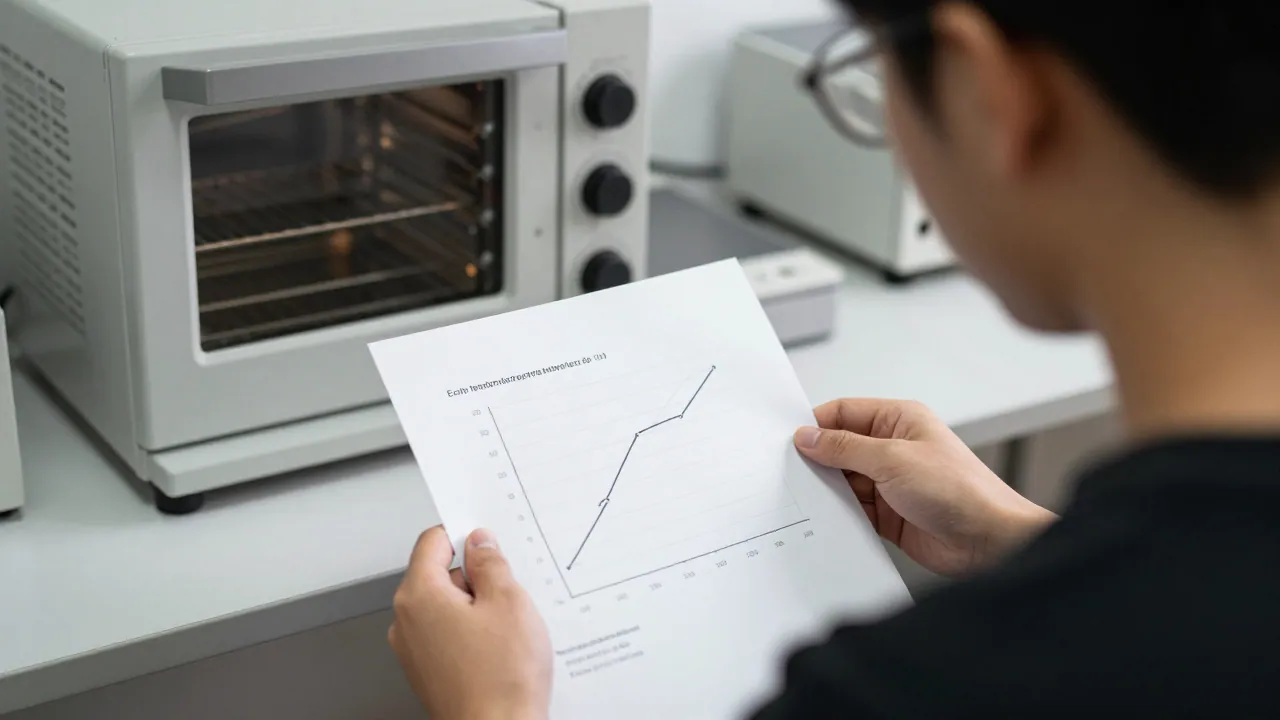
Reading retention curves from nitride trap energy depth
When you pull a retention bake out of the oven and plot the window loss against time, the shape of that curve carries information about where the charge sat in the nitride. Traps at different energy depths release electrons at different rates, and that distribution shows up as a slope. If you have ever stared at two curves that both lose charge but do so at different angles, the difference is often trap depth rather than a processing mistake. Reading retention curves gets easier once you separate the shallow traps from the deep ones and stop treating the whole nitride…
Latest from the blogAll stories
What our spring retention tests showed about sealing layers
Why We Started Writing Open Notes on Charge Trap Flash
How we run a monthly one-hour online seminar, from picking a speaker to posting notes
 Community Notes
Seminar recap: comparing trap layers across three lots
We held our monthly seminar on the second Thursday in October, online as usual, with twelve members joining from home benches and shared lab spaces across three time zones. The topic was lot-to-lot variation in nitride trapping layers, something several of us have bumped into quietly when comparing retention curves from parts that should have been identical. Sam Whitfield coordinated, and we kept the session to one hour: two short sets of observations, then open discussion. Our goal was not to settle the question but to agree on what to measure next. As with all our sessions, the notes below…
 Explainers
Erase speed and retention trade-offs in TANOS stacks
In TANOS memory cells, the erase step and the retention step pull in opposite directions. Erase wants charges to move quickly through the tunneling oxide and into the nitride. Retention wants those same charges to stay put for years. Engineers talk about this as a trade-off because steps that speed up erase can also open paths for charge to leak away later. This explainer walks through the field, the charge movement, and the material choices that shift the balance. If you are new to the topic, it is a good warm-up before our next seminar on trap layer comparisons.
 People Stories
Why we check numbers twice before posting results
On a Tuesday evening in March, Mira Okafor sat at her kitchen table in Ann Arbor with a spreadsheet open and a mug of tea going cold. She had spent the weekend running a retention bake on four small nitride samples, and the numbers looked clean: one stack held its window noticeably better than the others after 24 hours at 150°C. Before she typed a single line for the blog, she saved the file and sent it to a second pair of eyes, which is the rule we have followed since we started writing open notes on charge trap flash…
 Results
Three open questions on measuring trap density in nitride layers
Every few weeks, the same three questions about nitride trap density come back to us — in seminar chat, in email threads, and in the margins of draft notes. They are good questions, and they point at real gaps in what we have tested so far. This roundup collects them, sets out what our published notes currently answer, and marks where we think a careful, repeatable test is still needed. If you have been meaning to ask one of these yourself, you are in good company. We have also included a pointer to our reading list for background on the…
 Community Notes
Reading list: charge trap papers worth a slow second pass
We keep a short shelf of papers that predate most of our current work but still shape how we read retention curves and stack cross-sections. These are not the newest results. They are the ones members bring back to seminars, often with a page already dog-eared. In this roundup we list six favorites, say what each one got right, and note where the evidence runs out. We picked them during a work session in late winter, after a discussion on trap layer comparisons across lots kept circling back to the same nitride analysis.
Browse all notes and explainersBrowse all articles