Why we check numbers twice before posting results
A small retention comparison passed through four sets of hands before it reached the blog. Here is what each reviewer caught and why the habit costs us less than an hour.

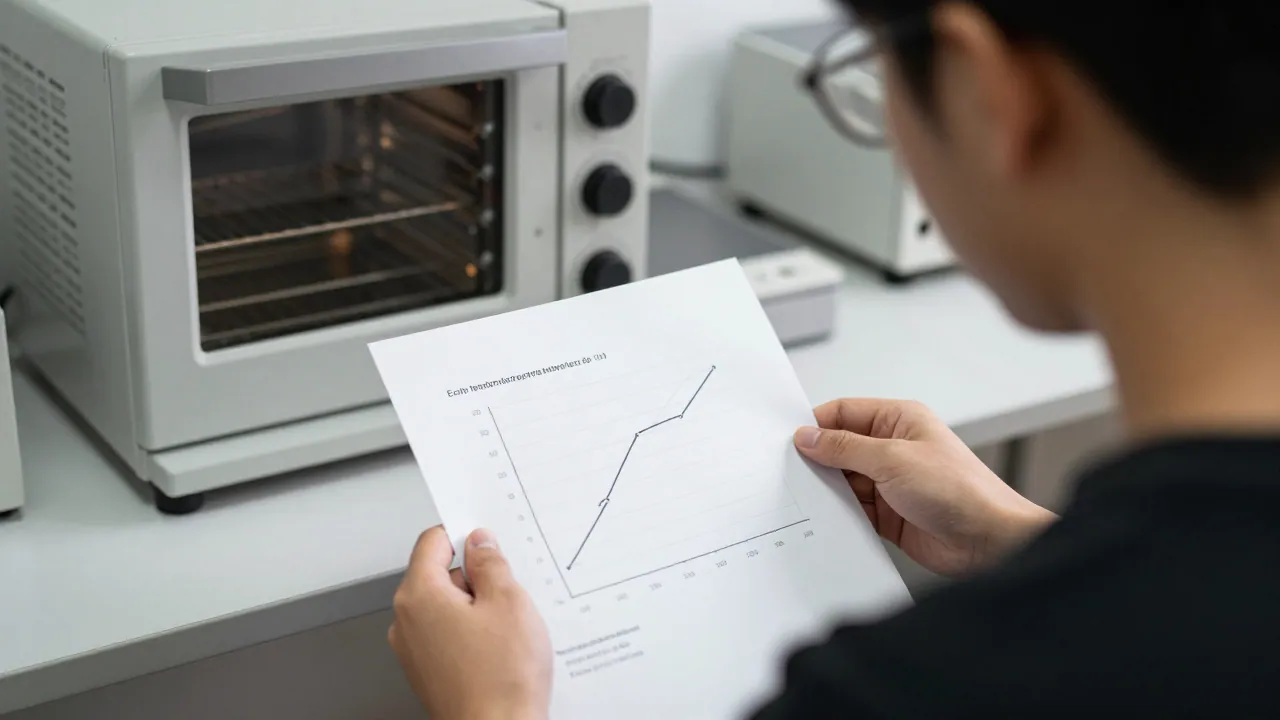
On a Tuesday evening in March, Mira Okafor sat at her kitchen table in Ann Arbor with a spreadsheet open and a mug of tea going cold. She had spent the weekend running a retention bake on four small nitride samples, and the numbers looked clean: one stack held its window noticeably better than the others after 24 hours at 150°C. Before she typed a single line for the blog, she saved the file and sent it to a second pair of eyes, which is the rule we have followed since we started writing open notes on charge trap flash. What happened over the next three days is a fair picture of how our notes stay reliable without turning into a committee.
The first pass: does the raw file match the summary?
The first check is always the least glamorous. A second volunteer opens the raw data file and the draft side by side and confirms that every number in the draft appears in the file, in the same unit and the same order. In Mira's case, the swap was small but real: her draft said the best sample held 68 percent of its initial window, but the raw file showed 66 percent. The difference came from a manual averaging step she had done twice, once with and once without an outlier. The corrected figure did not change the conclusion, but it changed the sentence we could defend.
This pass is also where we check the things that quietly break comparisons: bake temperature, bake duration, and which sample was measured first. A missing timestamp had already crept into Mira's notes because the oven log was written by hand. We added it back. Readers who want the longer version of why these details matter can look at setting up a simple retention bake test at home, which covers the same habits on a smaller scale.
The second pass: is the comparison fair?
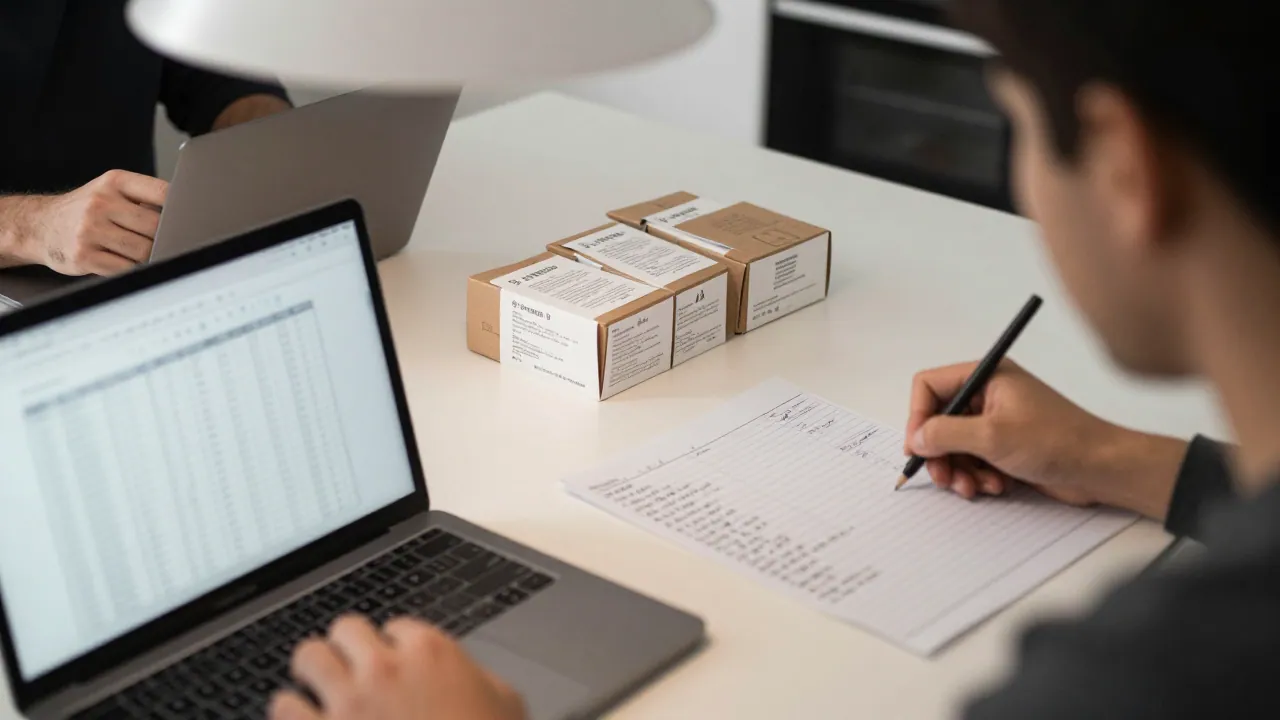
The next reader is chosen for skepticism, not seniority. Ours was Dev, a volunteer who has spent years on erase performance and who tends to ask whether two samples were treated the same way. He noticed that the two slower samples had been baked in a different slot in the oven, and while we do not have evidence that slot position matters, we cannot claim it does not. The draft was rewritten to say the comparison held within one bake run, and the slot was mentioned in a footnote rather than buried.
I would rather see one honest caveat in the first paragraph than a confident sentence we have to walk back a month later.
This is also when we check against earlier posts. Our spring retention tests showed about sealing layers, and it would be easy to imply that this bake confirms that work. It does not; the samples are different and the bake was shorter. The draft now says so plainly. The lesson is not new, but it is easy to forget when a result looks tidy.
The third pass: does the wording match the evidence?
Mira's draft originally said the best stack "clearly outperformed" the others. By the third read, that phrase had become "held a higher window in this run." The change was not cosmetic. Two of the four samples were within a few points of each other, and a single bake at one temperature cannot separate them. We ask the writer to mark every claim that goes beyond the data with a question mark in the margin, then either soften it or add the missing measurement to a to-do list.
The third reader also checks the links and labels. Every figure gets a caption that says what was measured, at what temperature, and over how long. If a reader cannot tell from the caption whether a number is a percentage of initial window or a threshold voltage shift, the caption is wrong. Our reading list on charge trap papers worth a slow second pass has a short section on how published papers phrase the same caveats, and we borrow from it shamelessly.
The fourth pass: a last look before it goes live
The final read is mine or another editor's. We read the post once for sense and once for the small things: dates, units, sample labels, and whether the title promises more than the body delivers. We also confirm that the raw file is attached or linked in our internal archive so a future reader can retrace the steps. That archive is not public, but it means that if someone asks a question six months from now, we can answer it rather than guess.
None of this is heavy machinery. The whole sequence took about forty minutes of volunteer time spread over three days, most of it in short messages rather than meetings. The cost is small because the posts are small: one comparison, one bake, a handful of samples. When we tried to review a larger batch last autumn, we split it into three posts instead, which was faster and easier to check. The habit scales by staying modest.
What we take from a corrected number
The published post now says 66 percent, not 68, and it names the bake slot. That is a less exciting sentence than the one Mira first wrote, and it is the one we can stand behind. If you are running your own comparison, the takeaway is simple: have someone else open the raw file before you summarize it, and write down the conditions while they are still fresh. If you want to see how we apply the same habits to a larger set of samples, our monthly online seminar often walks through one of these reviews line by line.
Questions people ask
How long does a review usually take?
For a short comparison post, about forty minutes of volunteer time spread over two or three days. Most of it happens in short written exchanges rather than scheduled meetings.
Who reviews the posts?
A second volunteer checks the raw file, a skeptical reader checks whether the comparison is fair, another reader checks the wording, and an editor does the final pass. Reviewers rotate, so no one carries the whole load.
Do you publish the raw data?
We keep the raw files in an internal archive and link them from each post so future readers can retrace the steps. We do not post every file publicly, but we can answer questions about them.