How we run a monthly one-hour online seminar, from picking a speaker to posting notes
A simple, repeatable format for volunteer groups: one hour, one topic, one speaker, and written notes that stay useful long after the call ends.
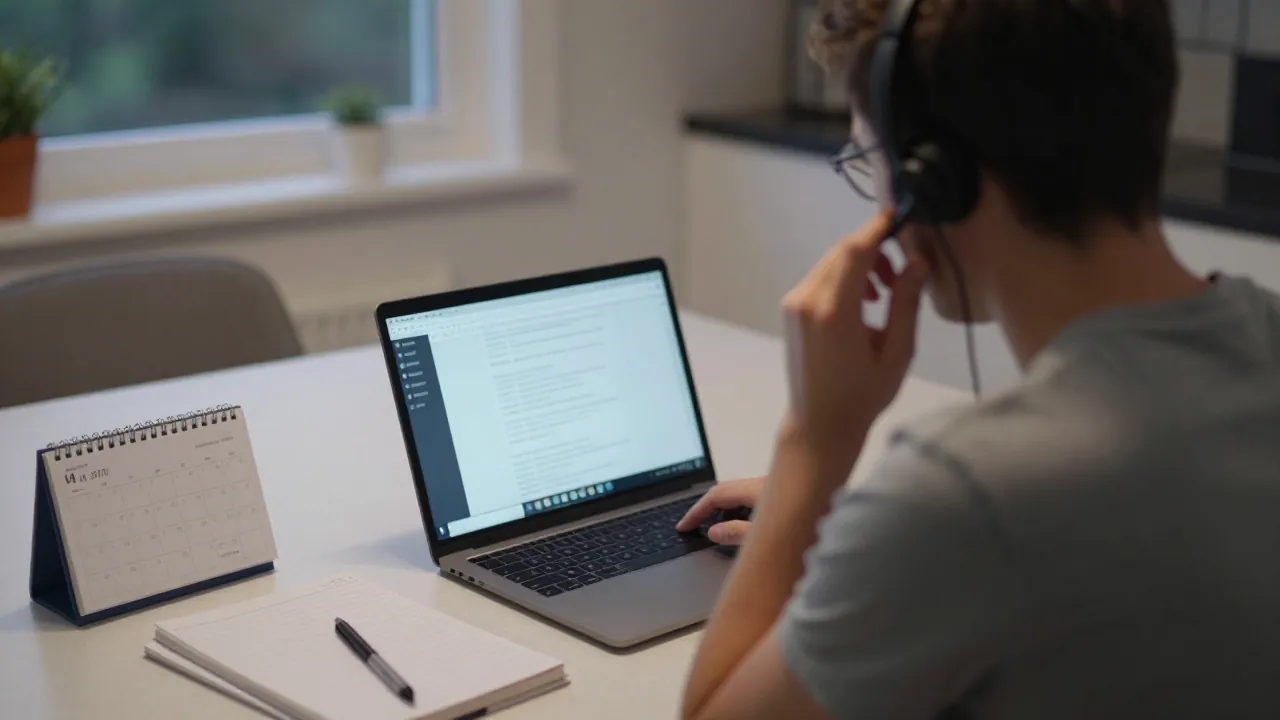
We are a volunteer community of semiconductor memory researchers and engineers, and we run a one-hour online seminar every month. This guide describes our format from start to finish: how we choose a speaker, what we send them beforehand, how we keep the hour moving, and how we turn the discussion into notes that people can read later. It is written for other small technical groups who want a low-cost, low-stress way to share work in progress. You do not need a budget or a platform license. You need a calendar, a shared document, and someone willing to send reminders. If you have ever wanted to start writing open notes but were not sure how to begin, this is the same idea applied to a live call.
This guide is for small volunteer groups in semiconductor memory research, especially those working on charge trap flash, nitride trapping layers, retention, and NAND cell architecture. By the end you will be able to plan, run, and document a one-hour seminar that people actually attend and remember. We have run this format for several seasons, through winter storms and summer vacations, and it has stayed roughly the same because it is simple.
What you need before you start
We keep the tooling deliberately plain. A shared calendar, a video call link, a folder for slides, and a notes document are enough. If your group already has a mailing list, use it. Do not add a new platform unless you have to.
- A shared calendar with one recurring slot per month, same day and time.
- A video call link that does not require an account to join.
- A shared folder for slides, named by date and speaker.
- A notes document with a template: date, speaker, topic, three key points, open questions.
- A volunteer coordinator who sends reminders and writes the follow-up notes.
- A backup speaker or a backup discussion topic for cancellations.
Step by step: from invitation to follow-up notes
- Six weeks ahead, choose a speaker and a topic. We rotate through lab groups and look for someone who is in the middle of a measurement campaign, a retention bake, or a comparison of trap layers. Ask them directly by email, with two possible dates.
- Five weeks ahead, confirm the date in writing and add it to the shared calendar. Send a one-paragraph brief: the audience is mixed, the talk is 35 minutes, and we want one problem they are stuck on and one result that surprised them.
- Two weeks ahead, send a reminder to the mailing list with the title and a single sentence on why it matters. Keep it plain. No countdown timers.
- One week ahead, ask the speaker for three to five slides. If they send more, do not push back; just remind them of the time.
- The day before, send the call link and a short agenda to the speaker and to the group. Test your own audio and screen sharing.
- On the day, start on time. The coordinator introduces the speaker in under a minute, states the timing, and then stays quiet.
- At minute 35, signal the speaker with a chat message. Take questions in the order they appear in the chat, and group related ones.
- At minute 55, ask for one open question to carry forward, thank the speaker, and close.
- Within 48 hours, write the follow-up notes in the shared document. Send them to the speaker for a quick check, then post them to the group.
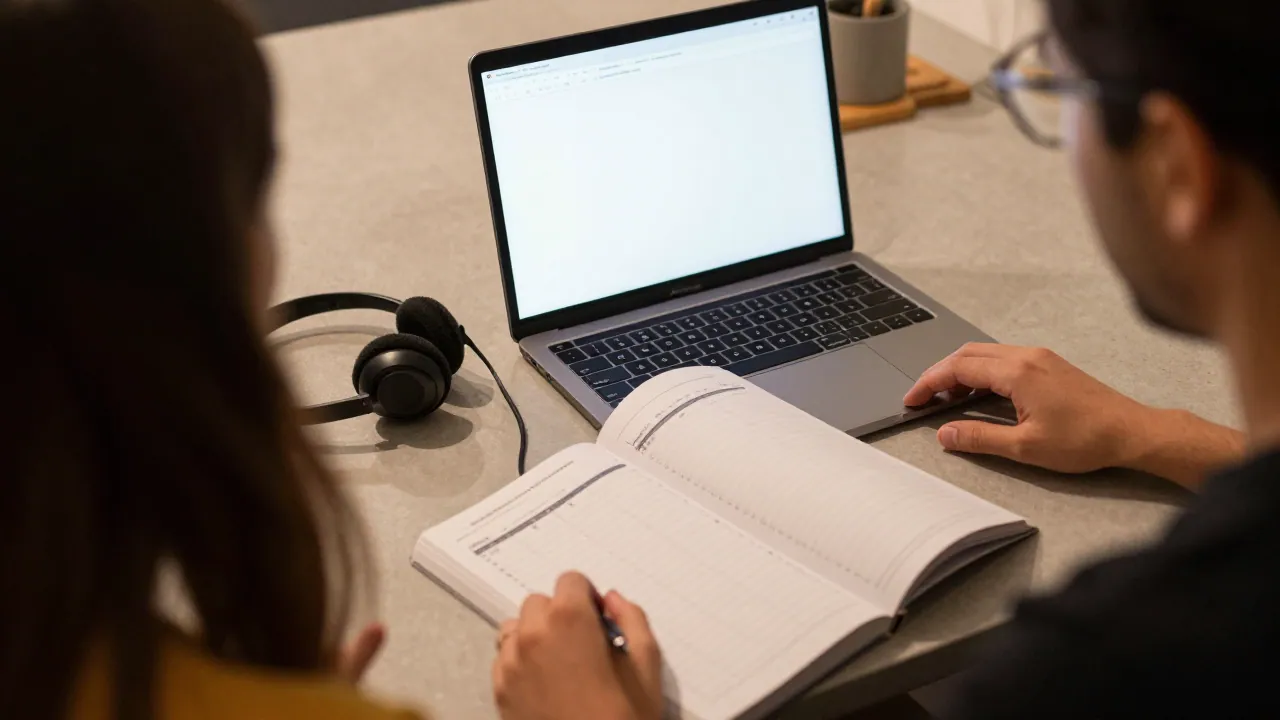
The follow-up notes are the part most groups skip, and they are the part that makes the seminar worth having. Our notes are short: the date, the speaker, the topic, three key points in plain sentences, and two or three open questions. We link to any paper or dataset the speaker mentions. When a question about retention comes up, we often point people to our notes on reading retention curves from nitride trap energy depth.
Common mistakes and how we avoid them
We have made most of these mistakes ourselves. The fixes are small and mostly about communication.
- Too many slides. Fix: ask for three to five, and remind the speaker of the 35-minute limit in the brief.
- A talk that turns into a sales pitch. Fix: state in the brief that this is a work-in-progress report, and ask for one problem the speaker is stuck on.
- Questions that run long. Fix: the coordinator groups questions and asks the speaker to answer briefly, then follows up in the notes.
- No notes afterwards. Fix: write them within 48 hours, before the details fade. We treat this as part of the seminar, not an extra.
- Numbers that get misquoted. Fix: send the notes to the speaker for a check, and apply the same discipline we describe in why we check numbers twice before posting results.
- A shrinking audience. Fix: keep the same monthly slot and send the reminder at the same time each month. Predictability matters more than promotion.
| Part of the hour | Minutes | Who leads |
|---|---|---|
| Welcome and speaker introduction | 3 | Coordinator |
| Talk | 32 | Speaker |
| Clarifying questions | 10 | Group |
| Open discussion and one carry-forward question | 12 | Coordinator |
| Close and thanks | 3 | Coordinator |
A recent seminar and what we learned
In late spring we ran a seminar on comparing trap layers across three lots, which came out of a retention test campaign that started in a cold workshop in February. The speaker showed four slides, including one plot that did not fit the expected trend. Most of the discussion went to that one plot, and the open question carried forward was whether the bake schedule was too short to separate the lots. That question shaped the next round of measurements, and we wrote it up in seminar recap: comparing trap layers across three lots. We also pointed the speaker to our reading list on charge trap papers worth a slow second pass for background on nitride material analysis.
What we learned: the most useful part of the hour was not the prepared talk but the ten minutes around the unexpected plot. We now ask every speaker for one thing that surprised them, and we protect time for it in the agenda.
How to adapt this for your own group
If your group is smaller, drop the separate clarifying-questions block and fold questions into the discussion. If your group is larger, ask people to put questions in the chat and have the coordinator group them. If you meet less often, keep the 48-hour notes rule anyway; it is what makes a quarterly seminar useful. The format is not precious. What matters is a fixed slot, a short brief, a hard stop, and notes that someone can find later.
Questions people ask
How far ahead should we book speakers?
We aim for six weeks, which gives the speaker time to find a result worth sharing and gives us time to send reminders. For a group that meets quarterly, eight weeks is safer.
What if the speaker cancels at short notice?
We keep a backup discussion topic ready, usually an open question from the previous seminar's notes. We announce the change in the same calendar slot so people still show up.
Should we record the seminars?
We do not record by default. Speakers are more willing to show unfinished work when they know the room is small and the notes are the record. If you do record, ask first and say where the file will live.