Three open questions on measuring trap density in nitride layers
A roundup of recurring member questions on trap density measurement, what our shared notes already cover, and which tests still need careful work.

Every few weeks, the same three questions about nitride trap density come back to us — in seminar chat, in email threads, and in the margins of draft notes. They are good questions, and they point at real gaps in what we have tested so far. This roundup collects them, sets out what our published notes currently answer, and marks where we think a careful, repeatable test is still needed. If you have been meaning to ask one of these yourself, you are in good company. We have also included a pointer to our reading list for background on the measurement methods.
These questions come up often enough that we wanted to write them down in one place. None of them is new, and none is fully settled. What follows is an honest inventory: what we know, what we have measured, and what we have not yet done carefully enough to publish.
Question 1: Which method should we use to measure trap density?
This is the most common question, and the simplest answer is that it depends on what you want to know. Members have used charge pumping, capacitance–voltage stretch-out, and retention-based extraction, and each gives a different view of the nitride. Our shared notes describe the trade-offs in general terms, and several threads compare results from two methods on the same lot.
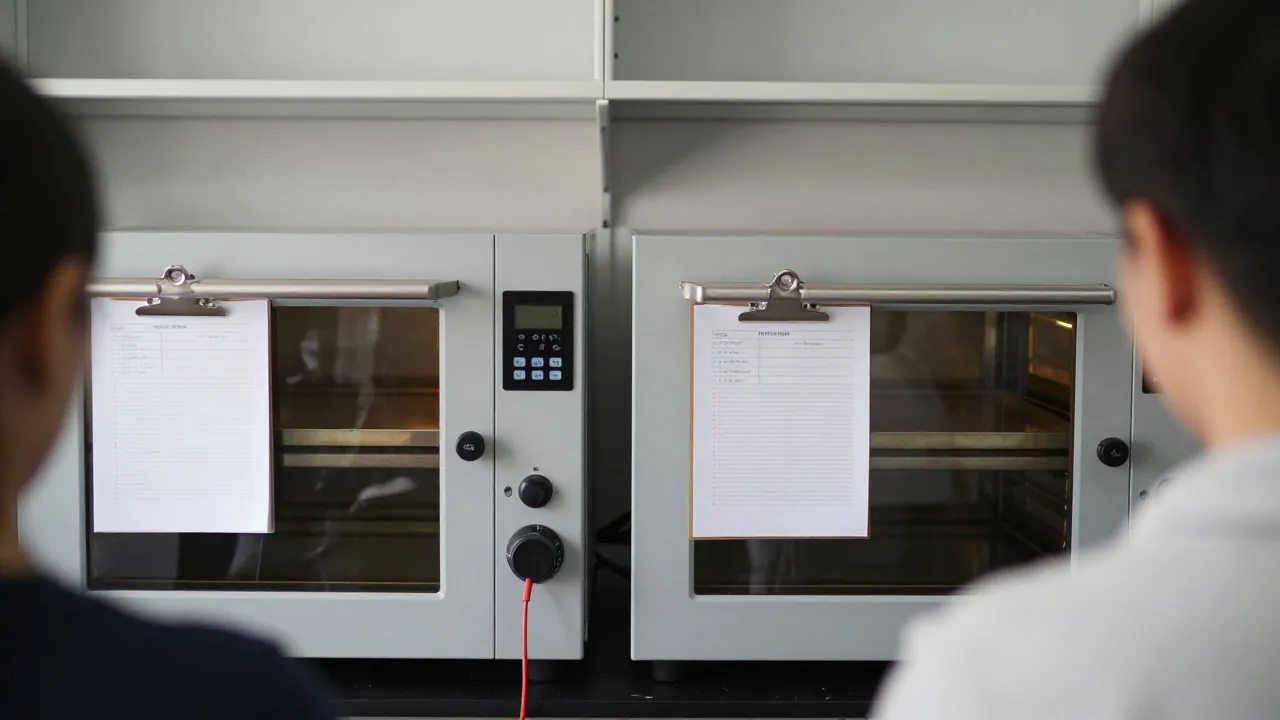
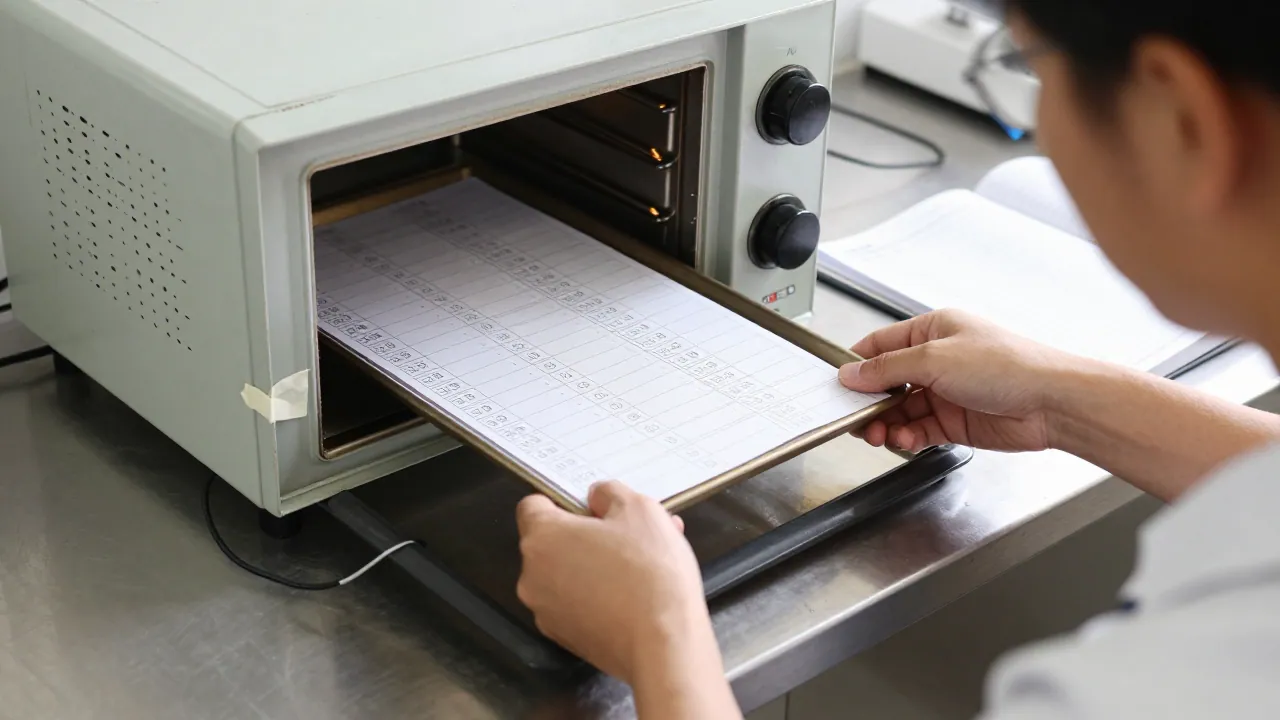
What we have not done is a side-by-side calibration on identical samples with a known reference. Until we do, we treat method comparisons as indicative rather than definitive. A useful starting point for anyone new to this is our note on setting up a simple retention bake test, which gives a low-cost way to get a first reading before investing in electrical characterization.
Question 2: How do we separate bulk traps from interface traps?
This one comes up in almost every seminar. Nitride trapping layers have both bulk and interface contributions, and most of our measurements see them together. Members have tried frequency-dependent charge pumping and temperature-dependent retention to pull them apart, with mixed success.
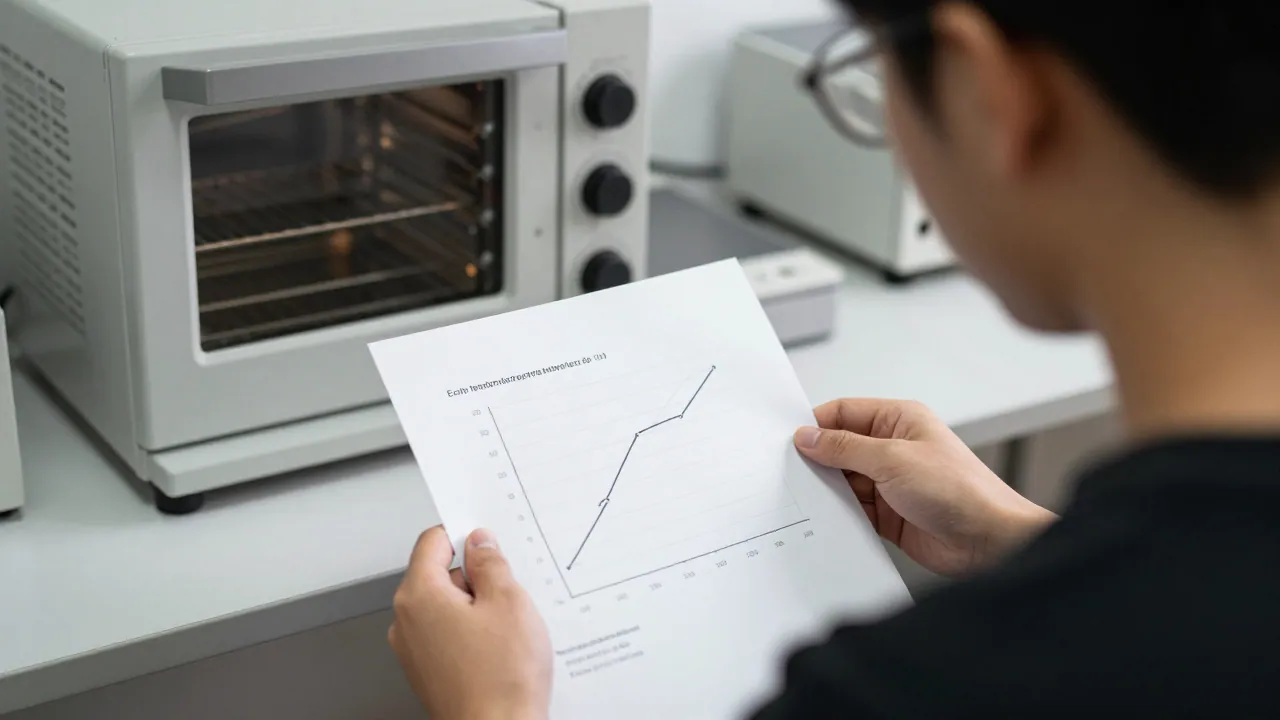
Our spring retention series gave us a partial handle on this. When we varied the sealing layer, retention curves shifted in ways that suggested the interface contribution was smaller than we first assumed. That finding is written up in what our spring retention tests showed about sealing layers, but it is one set of samples and one season of testing. We would like to repeat it with a wider split of bulk and interface conditions before drawing firmer conclusions.
Question 3: Can we compare trap density numbers across labs?
Members often ask whether a trap density figure from one lab can be compared with another. The short answer is: not yet, not without a shared reference. Differences in film thickness, deposition tool, and measurement conditions can easily swamp the effect being studied.
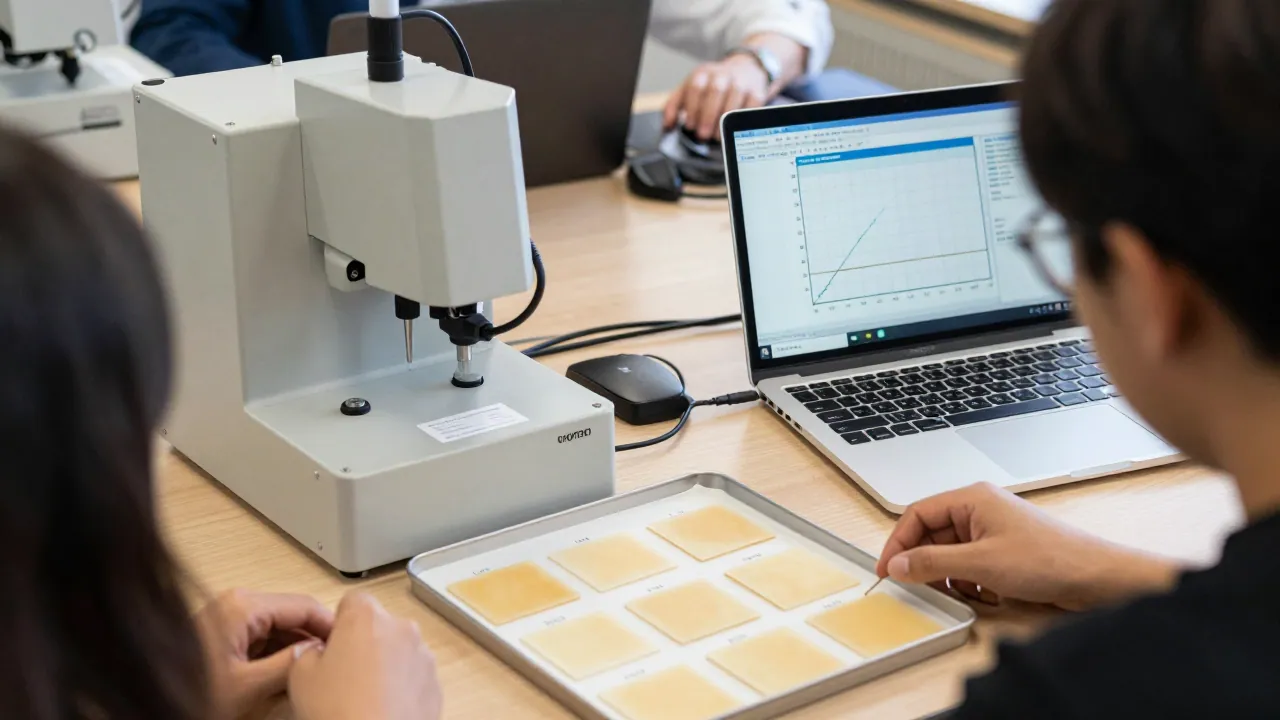
This is why we are cautious about pooling numbers in our notes. We report what we measured and how, and we avoid ranking results from different setups. Our habit of checking numbers twice before posting results came out of exactly this problem. The next step we would like to take is a small round-robin: the same set of wafers measured by three or four members on their own equipment, with results shared openly.
| Question | Status in our notes | Still needed |
|---|---|---|
| Which method to use | Descriptions of three methods and their trade-offs | Calibrated side-by-side comparison on shared samples |
| Bulk versus interface traps | Partial evidence from sealing-layer series | Repeat with a wider split of conditions |
| Cross-lab comparison | Cautious reporting practice in place | Round-robin measurement on shared wafers |
What we plan to test next
The round-robin is the piece we most want to run. It needs a small set of wafers with a known history, a shared measurement recipe, and a few members willing to spend a day on their own bench. If you have equipment access and an interest in trap density, this is the project to watch. We will describe the recipe in a future note, and we will run a seminar session to walk through it before anyone starts measuring.
In the meantime, the most useful thing you can do is write down what you measured and how. Even a negative result, recorded carefully, helps the next person avoid the same dead end. That is the spirit behind why we started writing open notes on charge trap flash, and it applies just as much to the questions we have not yet answered.
How to get involved
- Join the monthly online seminar and bring one of these questions to the discussion.
- Post your measurement conditions alongside any trap density figure you share.
- Volunteer a bench for the round-robin if you have equipment access.
- Read the existing notes first, so we do not repeat work already done.
Questions people ask
Do I need a full electrical characterization setup to contribute?
No. A simple retention bake test with careful logging is enough to contribute useful data. Many of our members start there before moving to electrical methods.
Why not just pool all trap density numbers into one table?
Because differences in film thickness, tool, and measurement conditions can outweigh the effect being studied. Pooling without a shared reference would mislead more than it helps.
How can I join the round-robin measurement?
Watch for the seminar announcement and the shared recipe note. We will ask for volunteers with bench access at that point, and there is no cost to take part.